Organisations that operate in real-time digital environments must ensure that they have robust infrastructure and highly effective people support
African retailers, banks and utilities are increasingly relying on real-time digital systems to keep up with digitisation and increasing customer demands. This means that resilience is no longer a peripheral discussion; it has become a board-level priority.
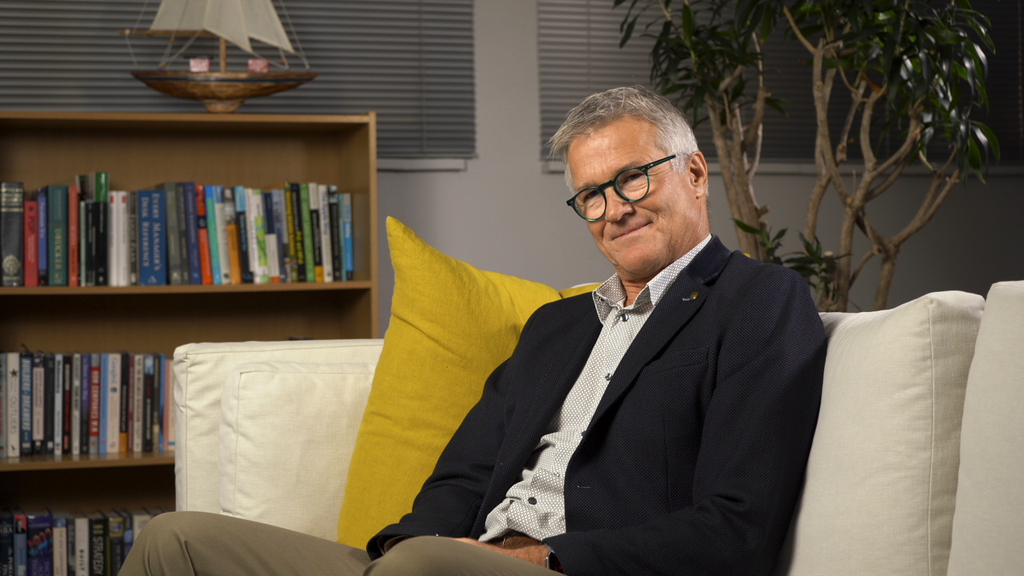
Réan van Niekerk, Executive Chairman at high-reliability point‑to‑point communications specialist provider, Metacom, says that there is a clear distinction between infrastructure resilience and people resilience, and that in order to enjoy long-term success in African always-on environments, both forms of resilience are critical and must exist side by side.
Recently, a deep-sea fault on cables landing at Mtunzini in KwaZulu-Natal hit the SEACOM and EASSy cables. The resulting disruption spanned Kenya, Tanzania, Mozambique and Malawi. A deep-sea cut cannot be predicted nor prevented, but a multi-country retailer or bank needs resilience and failover support before moments like these occur.
Of course, there are a number of other risks that threaten connectivity on the continent. The reality out in the field is that routers break down and long‑distance fibre lines fail. Because of this, van Niekerk explains that businesses need resilience in terms of primary systems, backup systems and failover systems, all built into the core of the network, not added on afterwards.
Quick-service chain Hungry Lion runs hundreds of stores across seven African countries. In a published case study, the core network design van Niekerk references was measured at more than 99.95% network uptime. Transaction interruptions were cut to near zero. In a low-margin, high-volume environment, that is the difference between a line going down and revenue going down with it.
Van Niekerk says it is important for a platform to be able to proactively reroute data, find alternative paths and detect early signs of trouble on links or devices. “The need for genuine resilience is why we rebuild our core infrastructure every four to five years. It is critical to reinvest learnings from the field into new architecture to improve reliability, security and performance,” he says.
“However, technology on its own is only half the story,” says van Niekerk. “To thrive in Africa you obviously need resilient infrastructure, but you also need resilient people and processes behind it. The organisation in its entirety must be resilient and responsive to any problems that might occur out in the field.”
He says it is critical how an organisation, and its partners, behave when something inevitably goes wrong. “No matter what you do, things are going to fail,” he says. “The question is: do you have people on the ground, a help desk, and engineers on standby who take ownership of the problem and commit until they make it work?”
Van Niekerk says the inevitability of challenges out in the field demands a 24/7 Network Operations Centre, with engineers and support staff continuously monitoring alerts and performance indicators across thousands of routers and links. He adds that while this is important, it is not enough. Field teams and partner technicians must provide “feet on the ground” support in remote locations, where reaching a store often takes an eight-hour drive in a 4×4.
If an organisation is going to get its people resilience right, it must cultivate a culture of ownership, he says. Van Niekerk explains: “A culture of ownership is the opposite of pointing fingers. Rather, everything revolves around sorting out the problem. Retailers should actively seek this out.”
At its core, resilience provides the ability to adapt, he says. “If you think about the evolution of organisms, they survive because they have an innate ability to respond and adapt to external environmental factors. The organisms that cannot do that eventually go extinct.
“For African enterprises facing geopolitical uncertainty, infrastructure challenges and rising customer expectations, the key to evolving and growing lies in treating both technological and organisational resilience as something fundamental, foundational even.”