I had the honour of attending the 3rd Annual Botswana Supply Chain Summit, which brought together leaders, practitioners and organisations to consider a question that matters well beyond Botswana: how can supply chains become engines of economic participation, competitiveness and national development? For me, the strongest message at this important event was that supply chain is not simply a procurement or logistics function. It is a business strategy and, at national level, a development strategy.
The summit is the vision of Gaone Thomas, whose initiative and determination have helped grow an event inspired by the SAPICS community into an important regional platform. The hospitality was warm, the venue impressive and the programme created valuable opportunities to exchange ideas and build relationships.
One of the most memorable contributions came from Ryu Katayama of Future Trends Group. He described how colleagues greet one another with the words, “Best Morning”. The idea is simple: why settle for a good morning when we can choose to pursue a better one, and ultimately our best one? His presentation moved beyond a greeting into a set of provocative “Soul Questions”: Do we want to be wealthy? Are we prepared to pursue excellence rather than accept mediocrity? Are we open to the possibilities of an open economy? And are we pressing the accelerator while simultaneously holding the brake?
The questions challenged us to examine the mindsets, decisions and behaviours that either enable or constrain progress. Having worked in mindset and capability development, including a large-scale initiative with the Western Cape Education Department, I was particularly struck by the connection between mindset and economic possibility. Strategy matters, but the collective belief and commitment to act matter too.
From supply chains to value chains
Botswana’s Minister of International Relations, Honourable Dr Phenyo Butale, positioned supply chain as a catalyst for economic transformation and competitive advantage. That is an important shift. Too often, the term “supply chain” is used interchangeably with procurement. Procurement is one essential part of the chain, but it is not the whole system.
A true end-to-end perspective connects planning, sourcing, making, delivery and returns. It links decisions about demand, inventory, working capital, infrastructure, transport, customer service and resilience. When these decisions are disconnected, value is lost. When they are integrated, supply chain becomes a source of performance and competitive advantage.
A panel moderated by fellow SAPICS board member Khumo Mosathupa explored the shift from supply chains to value chains. The discussion reinforced the importance of looking beyond the boundaries of an individual organisation or department. Value is created across networks of suppliers, customers, infrastructure providers, industry bodies and public institutions. The opportunity is to identify where those relationships can work better together, rather than optimising one part of the system at the expense of another. This is particularly relevant in a constrained economic environment. In my 25 years of supply-chain recruitment and advisory work, I have often seen organisations build or rethink supply-chain capability during periods of economic pressure. Constraint can become a catalyst for better thinking – provided leaders are willing to challenge silos and collaborate.
Perspective is a competitive advantage
Victoria Montwedi of Quantum People / QPod delivered a masterclass on the value of bringing different perspectives and data points into decision-making. The issue is not always a shortage of data; it is that decisions are often made from a narrow functional viewpoint. Procurement, planning, warehousing, manufacturing and sales may each hold part of the picture. Better decisions come from connecting those perspectives. This is the thinking behind effective Sales and Operations Planning and Integrated Business Planning: creating a shared view of the business, its trade-offs and its priorities. More data is not necessarily better. More connected insight is.
Regional trade requires a wider “we”
The conversations on regional trade and the African Continental Free Trade Area (AfCFTA), the Southern African Development Community (SADC) and the Southern African Customs Union (SACU) highlighted the opportunity and the need to understand how regional arrangements work in practice. Businesses need to understand tariff schedules, rules of origin, product classification and the conditions attached to preferential trade. Knowing a product’s HS code is useful, but the code alone does not automatically qualify a product for a tariff preference. Companies should seek the right advice and investigate the trade arrangements that may apply to their products and markets. There is also a mindset question here. What might change if we expanded our definition of “we”? What if our sense of shared interest extended beyond our organisation or our country to the region, and ultimately the continent? Moving from “my interests versus yours” towards a shared African economic mindset could open up new possibilities for collaboration, trade and investment.
Events can create economic legacies
I also had the opportunity to moderate a discussion on hosting global events and turning them into economic opportunities. Botswana’s hosting of the World Athletics Relays in May 2026 provided a powerful example. The event demonstrated what is possible on the sporting stage, while also raising a broader question: how can a country convert the demands of hosting a major event into lasting capability and economic value? I framed the discussion around three stages: LEARN, BUILD and GROW. Learn from the delivery challenges and lessons of an event. Build local supplier capability to meet demanding standards of quality, cost and delivery. Then grow the opportunity through collaboration between government, business and industry – creating jobs, partnerships and a stronger platform for future events.
Event supply chains have immovable deadlines. There is no “tomorrow” if a critical item does not arrive. Bringing supply-chain expertise into event planning earlier can improve demand planning, procurement, logistics and contingency management, while creating meaningful opportunities for local businesses and SMEs. Botswana’s future hosting opportunities, including the TAFISA World Congress, can build on this experience.
Local capability, global relevance
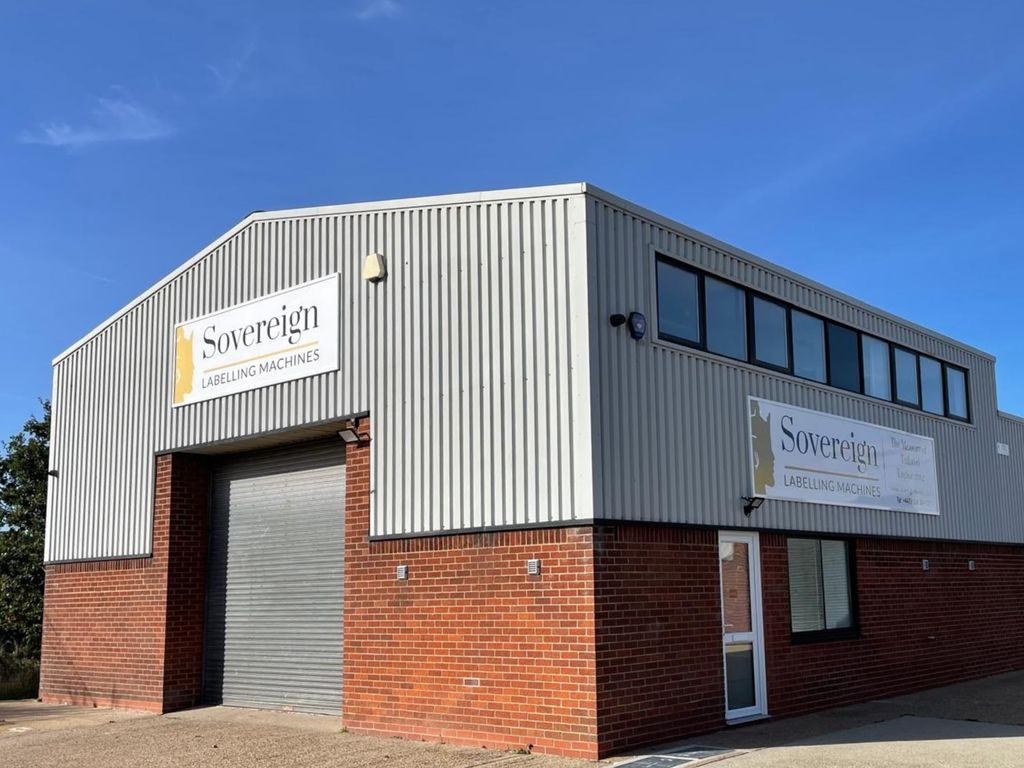
The visit to Premier Clothing brought several of these themes to life. The business demonstrated the value of local manufacturing, investment in people, supplier collaboration and the development of capability over generations. Its exploration of applying manufacturing and assembly expertise to adjacent opportunities, including medical-supply components, was a reminder that growth can come from extending what an organisation already does well.
The closing presentation by PST Sales & Distribution offered another memorable African business story: an entrepreneurial beginning selling ice creams from a chest freezer in a garage, growing into a significant consumer-goods market-access and distribution operation. It was a reminder that large-scale capability can grow from humble beginnings when entrepreneurship, relationships and execution come together.
The opportunity in front of us
The summit left me with a clear conviction: Africa’s supply-chain opportunity is bigger than moving goods efficiently. It is about connecting people, businesses, infrastructure, capital, knowledge and markets. It is about developing local capability while building regional competitiveness. And it is about recognising that value is created collectively.
For the African supply chain community, there is an opportunity to deepen cross-border knowledge-sharing, strengthen professional development and make the full end-to-end supply-chain discipline more visible. The supply chain profession has a role to play in helping organisations and countries move from transactional thinking to integrated value creation. Perhaps the most important lesson is to ask better questions, widen our perspective and act with greater intent. Our aim should be not simply to have a good morning, but to pursue our best morning and to build the capability to make it possible.