South Africa’s Transport Month this October puts renewed focus on the role that transport plays in economic growth and social development. For businesses, that conversation extends beyond infrastructure and the movement of goods. It also includes the daily movement of the people who keep operations running.
Reliable passenger transport is essential to workforce mobility and business continuity. In industries that operate in shifts or around the clock, dependable transport can influence attendance, shift readiness and production continuity. Yet the movement of people is often overlooked as part of supply-chain resilience.
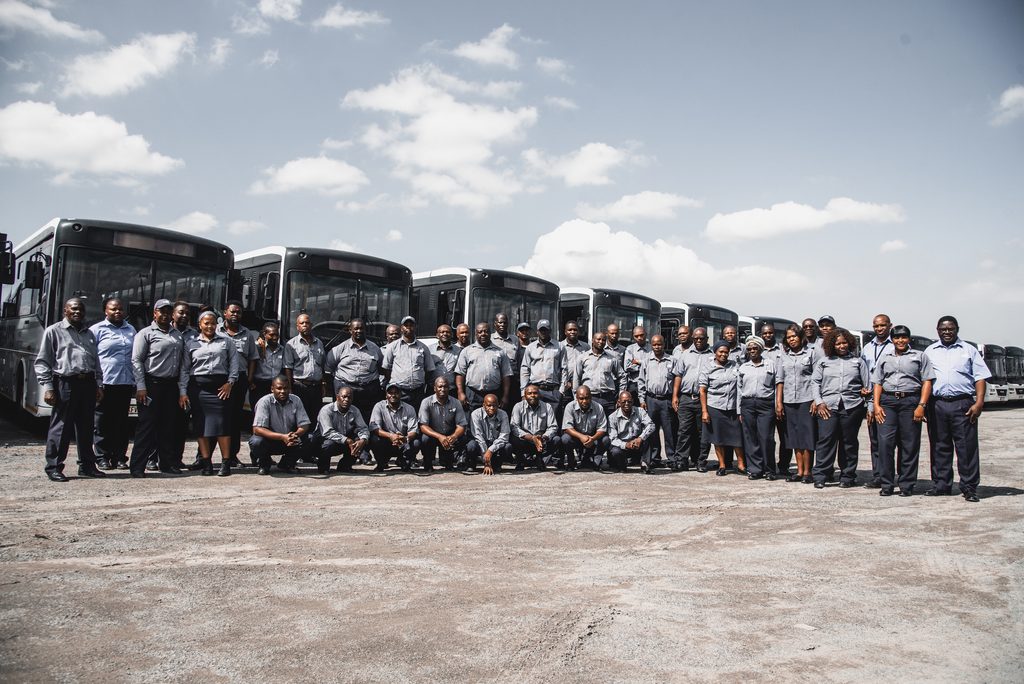
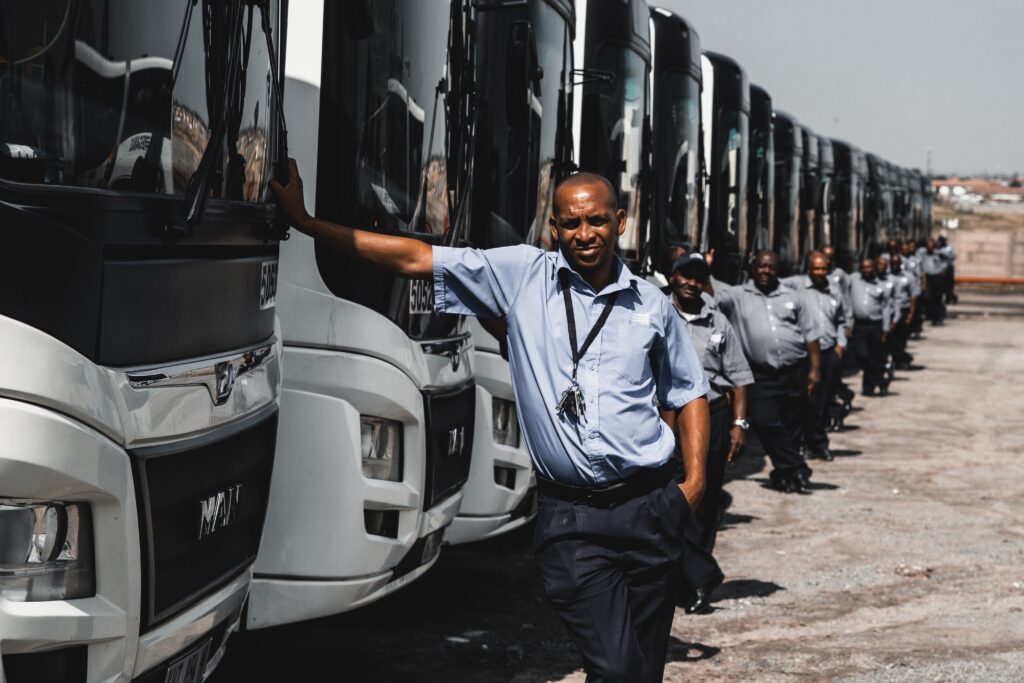
Unitrans passenger operations provides employee transport, commuter services and managed solutions across multiple sectors, moving people early in the morning, late at night and over long distances to mining, agricultural and other operational sites.
“Transport is not just about mobility. It is a lifeline to work, income and essential services,” says Bazil Govender, Divisional Head: Business Development at Unitrans passenger operations. “It connects people to livelihoods, education, healthcare and economic opportunity, while supporting the continuity of local businesses.”
Transport Month provides a timely opportunity to consider this wider role: how safe, reliable and well-managed mobility supports not only individual journeys, but the businesses, communities and local economies that depend on them.
Safety Beyond Compliance
Research published by the Road Traffic Management Corporation in March 2025 recorded 146 fatalities in major long-distance bus crashes during 2024, the highest annual figure in its 2018–2024 dataset. The findings reinforce the need for continued attention to passenger transport safety.
At Unitrans, safety extends beyond compliance.
“Policies and procedures are essential, but safety ultimately depends on people making responsible decisions every day,” Govender says. “That includes the driver behind the wheel, the team planning the route, the customer setting operational expectations and every person sharing the road.”
Safety must therefore inform each stage of how a journey is planned and delivered.
Drivers contribute through vigilance, professionalism and care. Operations teams consider routes, schedules, vehicle readiness and local conditions. Customers help uphold standards, while passengers, communities and other road users influence the broader road environment.
This shared responsibility requires consistent attention to behaviour, accountability and continuous improvement. Safety must be embedded in organisational culture rather than treated as a checklist addressed only during a campaign or event.
What Makes a Connected Community?
The Unitrans passenger operations team sees first-hand how safe, reliable mobility supports people, businesses and the supply chains that depend on them.
Behind every journey is a coordinated network of drivers, planners, fleet teams, operational processes and relationships with customers and communities. When one part of that network fails, the impact can extend beyond a delayed trip to affect employee attendance, production schedules, family responsibilities and access to essential services.
“In a South African context, a connected community is one where mobility is reliable, safe and inclusive, and becomes an enabler of economic resilience, business continuity and social progress,” says Nothando Sibiya, Business Development Manager at Unitrans passenger operations.
“It requires businesses to see transport as more than simply moving people from one place to another. Transport providers need to understand the communities and environments in which they operate, engage meaningfully with local stakeholders and respond to the realities of each route and region.”
Connected communities are therefore supported not only by infrastructure, but by strong relationships, accountable systems and collaboration among businesses, customers, passengers, communities, road users and public stakeholders.
The Human Impact of Transport
A practical example emerged through ongoing engagement between the regional management team at a Unitrans operation in Secunda and members of the surrounding community.
Through these conversations, the team became aware that transport challenges were affecting some children’s ability to attend school consistently. Working with community representatives, the team helped put a transport arrangement in place to improve access to education.
The response was rooted in a clearly identified local need and made use of existing transport capabilities to address a practical barrier.
By improving learners’ ability to reach school, the arrangement demonstrated how listening, collaboration and targeted action can make a meaningful difference to people’s everyday lives.
It also reflects Govender’s view that meaningful community contributions should be continuous rather than once-off, practical rather than symbolic, and shaped by local realities.
Moving People, Supporting Progress
Passenger transport cannot solve every economic or social challenge, and responsibility for building safer, more connected communities does not rest with transport providers alone.
It requires commitment from businesses, customers, employees, communities, road users and public stakeholders. Trust, communication and ongoing engagement are as important as the physical infrastructure connecting people.
When employees can reach their workplaces consistently and safely, businesses are better positioned to maintain operations and protect productivity. When communities have dependable access to employment, education, healthcare and essential services, people are better able to participate in economic and social opportunities.
The result is a stronger connection between people, operational continuity and supply-chain resilience – and a reminder during Transport Month that the value of transport is ultimately measured by what it enables.
“Purposeful transport is not simply about reaching a destination,” Govender concludes. “It is about enabling opportunity, strengthening relationships and helping to create the conditions in which people, communities and businesses can progress.”