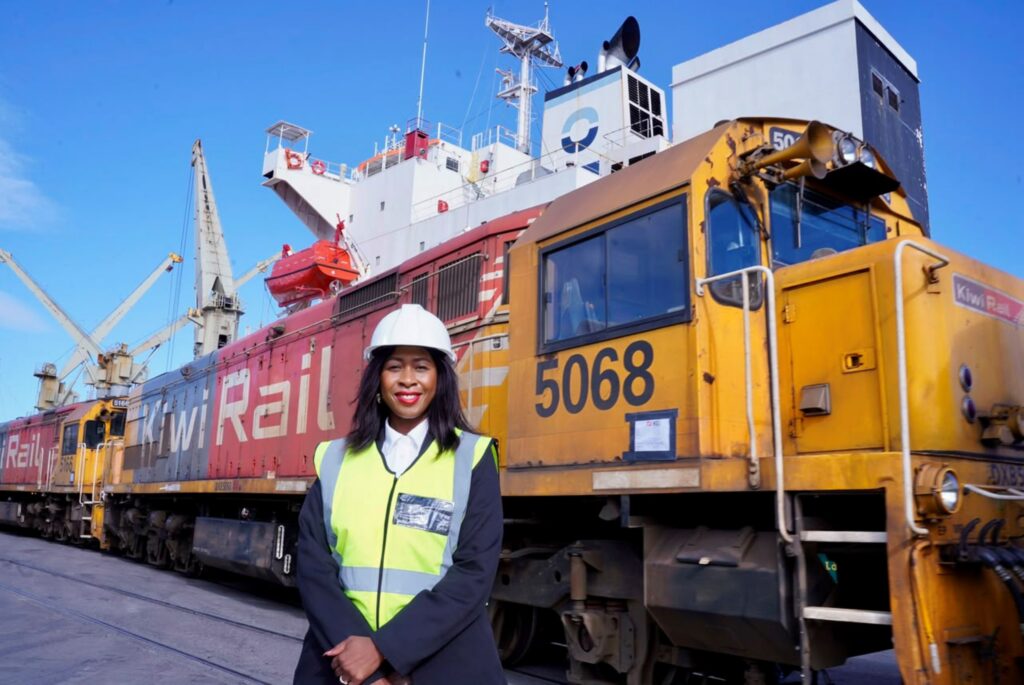
As investment returns to South Africa’s rail sector and reform opens the network to greater private-sector participation, demand is growing for skilled professionals across engineering, operations, maintenance, logistics and technology. Meeting this demand will require more than investment in infrastructure; it requires investment in the young women who will design, operate and maintain South Africa’s future rail network.
Nnoni Mohlaphuli, Brand, Communications and Marketing Manager at Traxtion, Africa’s leading private rail operator, says developing a broader and more diverse talent pipeline is essential to the industry’s long-term success.
“As South Africa’s rail sector enters a new phase of growth, its future depends on whether we are developing the people needed to sustain that growth. At Traxtion, we recognised an opportunity to play a more active role in encouraging young women to pursue technical and leadership careers in rail. This is not simply about inclusion; it is about ensuring the industry has the skills, innovation and leadership needed for the future. The private sector has an important role to play in creating those opportunities and ensuring women are represented across every part of the industry,” she says.
As part of this commitment, Traxtion will once again host its The Future of Rail is Women event on 21 August at its Rail Services Hub in Rosslyn. The initiative brings together high school girls, women rail professionals and leading organisations from across the rail sector for a day of mentorship, career exploration and practical learning.
A key feature is the Rail Fair, where learners work alongside mentors from participating rail organisations to identify real industry challenges and present innovative STEM-based solutions. The event also includes a career exhibition, allowing learners to engage directly with professionals and explore careers across engineering, operations, logistics, technology and other disciplines.
The event is supported by industry partners, including Rovos Rail and Dougall Insurance, reflecting a shared commitment to developing the next generation of women rail professionals.
“We are committed to creating an environment where women can grow, lead and thrive. Through mentorship, skills development and ongoing training, we aim to equip the next generation with the confidence and capability to build successful careers within the rail sector,” says Tiffany Vos-Thane, Chief Operating Officer at Rovos Rail.
Josie Dougall, Head of People and Brand at Crawford Dougall, says investing in future talent is critical to the industry’s resilience.
“Rail’s future depends on people with ideas, technical capability and the confidence to see themselves in this industry. We are delighted to support an initiative that gives young women meaningful exposure to the possibilities of rail.”
The experience helps girls see themselves in an industry where women have historically been underrepresented by connecting them with successful women already building careers across the rail sector.
Although progress has been made, women still account for only around 20% of the global rail workforce, with the gender gap remaining most pronounced in technical and leadership roles. As the industry grows and modernises, improving female representation is increasingly recognised as essential to addressing future skills shortages and building a stronger, more resilient sector.
Traxtion’s commitment extends beyond a single event through initiatives including TraxWiN (Women in Leadership Network), the TraxWagon Bursary Programme, which has invested over half a million rand in bursaries for women studying at TVET colleges and universities in 2026, and Shadow a Woman in Rail, which provides learners with first-hand workplace exposure alongside experienced women in the industry.
“Rail’s future will not be defined only by infrastructure investment or technological advancement. It will be shaped by the people who choose to build careers in the industry. By investing in education, mentorship and industry collaboration today, we are helping develop the engineers, operators, innovators and leaders who will drive South Africa’s rail sector for decades to come,” concludes Mohlaphuli.