Recycling bottle tops delivers life-changing surgeries and wheelchairs
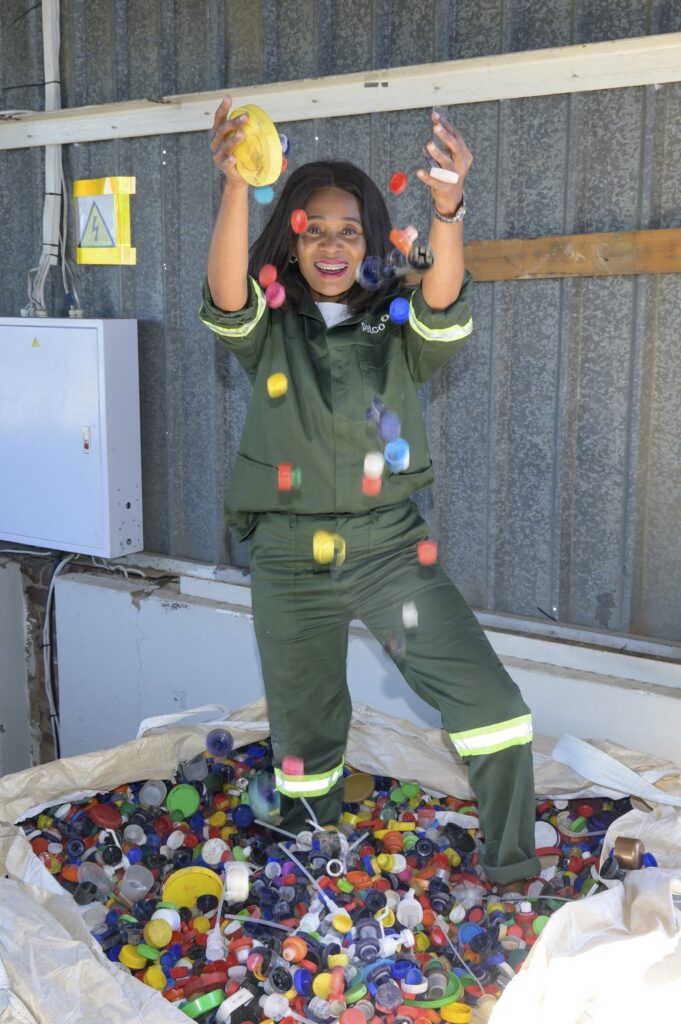
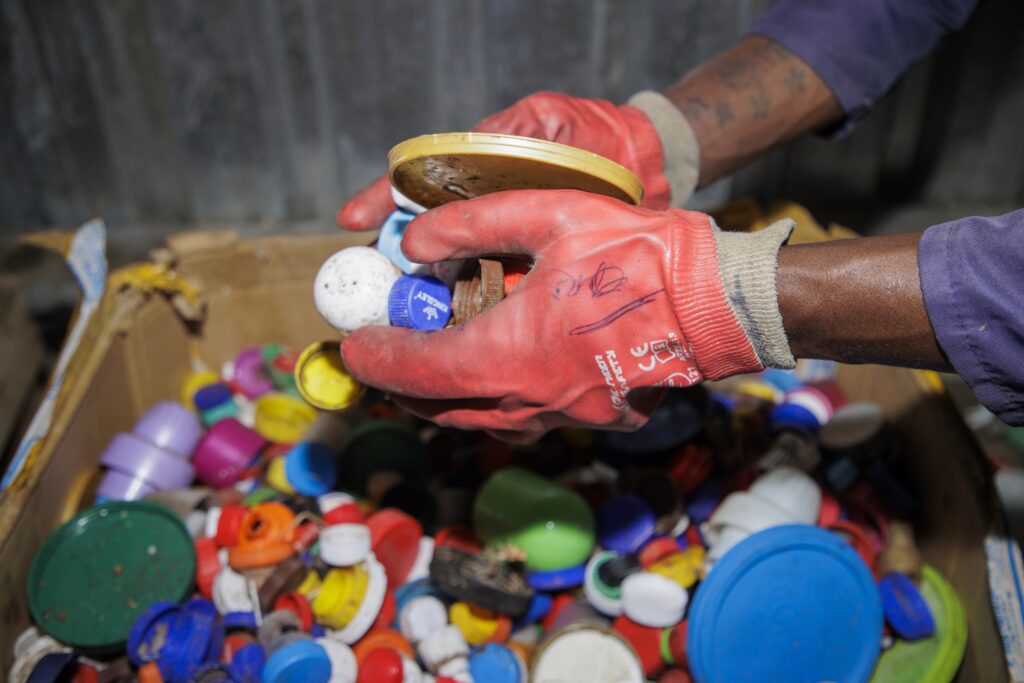
By collecting and donating their bottle tops for recycling, ordinary South Africans are making life-changing corrective cleft surgeries and wheelchairs possible for people who cannot afford them.
This collaboration between producer responsibility organisation Petco, packaging manufacturer Tuffy, and recycler Myplas, aims to keep plastic bottle tops out of the environment and landfill by getting the public to collect and donate them to two charitable organisations – Operation Smile South Africa and the Sweethearts Wheelchair Foundation.
In exchange for the bottle tops they collect, the beneficiary partners receive funds from Myplas, and the bottle tops are then reprocessed into plastic pellets that are used in the manufacturing of Tuffy’s 100% recycled refuse bags.
Petco’s recycling value chain analyst, Boipelo Madonsela, said this collaboration was an important example of closing the loop on plastics and making recycling more meaningful for South Africans.
“What’s particularly powerful about this area of work is that it creates a direct connection between everyday recycling behaviour and a tangible social impact. People can see that something as simple as keeping and collecting their bottle tops can help support a charitable cause while also ensuring valuable material is recycled rather than ending up in the environment or becoming landfill waste.”
Madonsela said members of the public who weren’t donating their bottle tops could still promote recycling by putting the top back on their empty, flattened PET bottles or liquid board cartons before disposing of them responsibly.
She said collection was just one part of the recycling journey, and that Petco worked to create demand for recycled plastics.
Myplas director Johann Conradie added that, for recycling to be sustainable, there needed to be a market for the material once it had been processed.
“Demand for recycled content is what gives the material value and helps support the economics of collection and recycling.”
Without this demand, Conradie said the recycled plastics would have no market value, which meant that people would not collect or trade in them in the first place.
He said the public could collect and donate those plastic bottle tops commonly found on beverage, dairy and household product containers.
“These are typically made from recyclable polyolefin plastics, which can be processed and recycled into new products when collected in sufficient quantities.”
According to Tuffy’s business unit lead, Rory Murray, the collaboration made the results of collection and recycling visible to consumers by showing that recyclable materials were incorporated into a tangible product like a refuse bag.
“By using 100% recycled material in our product, and the tonnage is substantial as it’s the whole product not just packaging, we create demand and contribute to the whole value chain – collection, sorting, chip manufacture and final product manufacture.”
Murray encouraged consumers to purchase products made from recycled content to help strengthen the market for them.
“Tuffy is proud of our 100% recycled credentials, and what this can do for the world around us. In addition, it supports two fantastic community support initiatives.”
Operation Smile’s executive director Sarah Scarth said donating bottle tops was a simple, free way for individuals, school, businesses and community groups to help the organisation provide surgeries and comprehensive medical care.
“A single bottle top may seem insignificant, but when thousands of people come together to collect and recycle them, those small contributions add up to something truly meaningful. Every bottle top collected helps us bring more smiles, more confidence, and more opportunities to children born with cleft conditions,” said Scarth.
Sweethearts Foundation CEO Ashley Nel explained that a 2023 statistic from the Department of Health showed South Africa had a wheelchair waiting list of over 6,000 people.
“Across South Africa, thousands of people are still waiting for mobility support, and for many families, the reality of accessing a wheelchair is far more difficult than most people realise. That is why this campaign matters. It transforms an everyday action into something deeply human and impactful. You do not need to be wealthy to make a difference. You simply need to start,” Nel said.
“Every kilogram collected contributes to something much bigger than recycling. It helps us move someone closer to freedom, accessibility, education, employment, and a better quality of life.”
Madonsela said the collaboration was a great example of everyone working together to create real impact and keep valuable materials in circulation for as long as possible at their highest value.
She said consumers played an incredibly important role in this.
“The recycling system depends on people making conscious choices every day – choosing their favourite products in packaging that is recyclable, separating recyclable materials from waste in their homes, offices and schools and disposing of them responsibly.”
Drop-off points for collected bottle tops:
● Myplas: 6 Mill Street, Bellville South
● Operation Smile South Africa: Waverley Business Park, 5 Wyecroft Road, Mowbray, Cape Town
● Sweethearts Foundation: Visit the website for drop-off points nationwide –
https://www.sweetheartsfoundation.org/collectionpoints